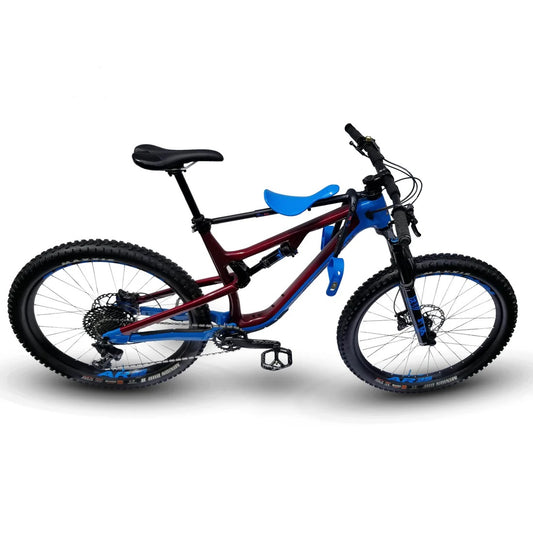
-


TRAX FLEX Bike Towing System
Regular price 29,99 €Regular priceUnit price perRecommended price* : 34,95 €
-


MAC RIDE Spacer for 1"1/8 Pivot
Regular price 19,95 €Regular priceUnit price perRecommended price* : 19,95 €
-


ZEFAL BIKE TAXI Tow Rope
Regular price 37,99 €Regular priceUnit price perRecommended price* : 49,95 €
-

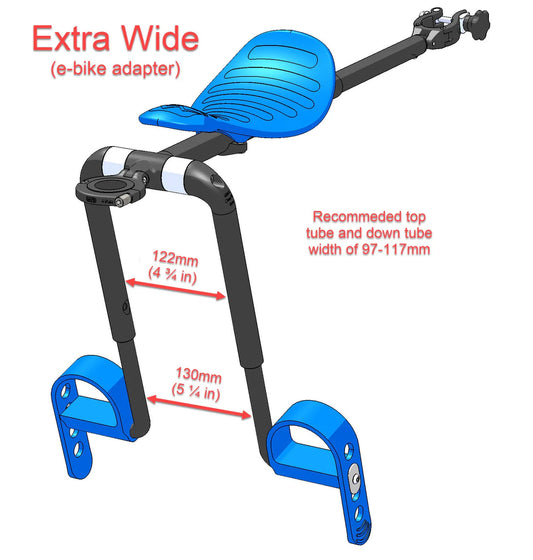
MAC RIDE E-Bike Adapter Kit for Extra-Wide 13cm Tubes
Regular price 39,95 €Regular priceUnit price perRecommended price* : 39,95 €
-

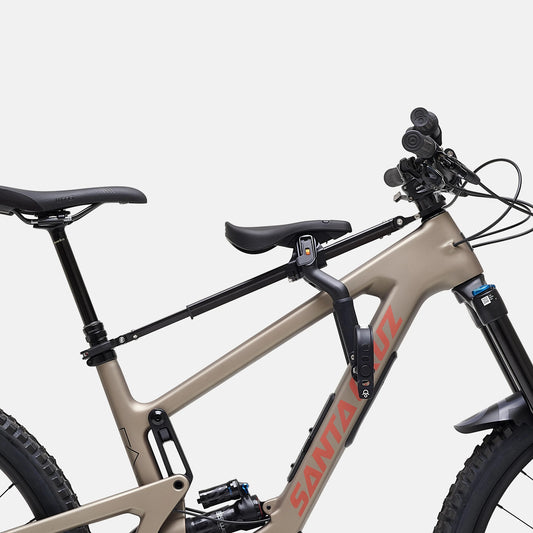
SHOTGUN PRO EVO COMBO Kit
Regular price 319,90 €Regular priceUnit price perRecommended price* : 349,00 €
-


SHOTGUN PRO Child Saddle
Regular price 219,90 €Regular priceUnit price perRecommended price* : 239,00 €
-


COMBO SHOTGUN PRO Kit
Regular price 269,90 €Regular priceUnit price perRecommended price* : 299,00 €
-


Combo Kit SHOTGUN 2.0
Regular price 179,90 €Regular priceUnit price perRecommended price* : 199,90 €
-

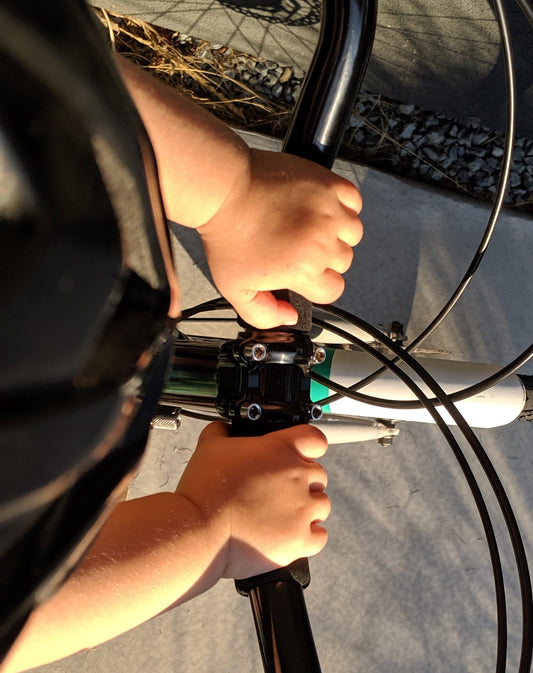
MAC RIDE Foam Grip Pair
Regular price 7,90 €Regular priceUnit price perRecommended price* : 7,95 €
-

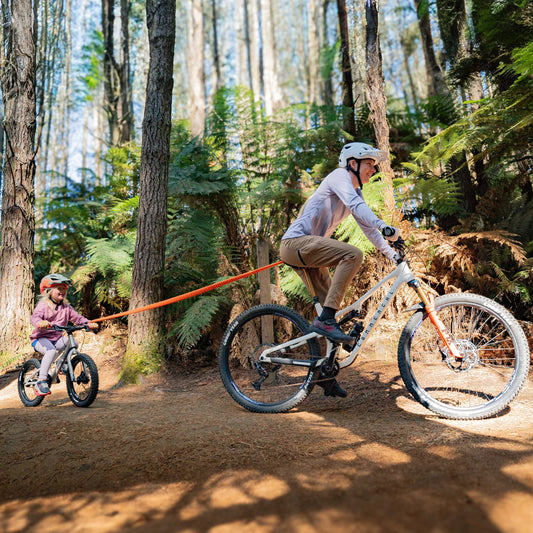
SHOTGUN Tow Rope
Regular price 39,99 €Regular priceUnit price perRecommended price* : 39,90 €
-


COMBO SHOTGUN Kit
Regular price 119,90 €Regular priceUnit price perRecommended price* : 135,00 €
-

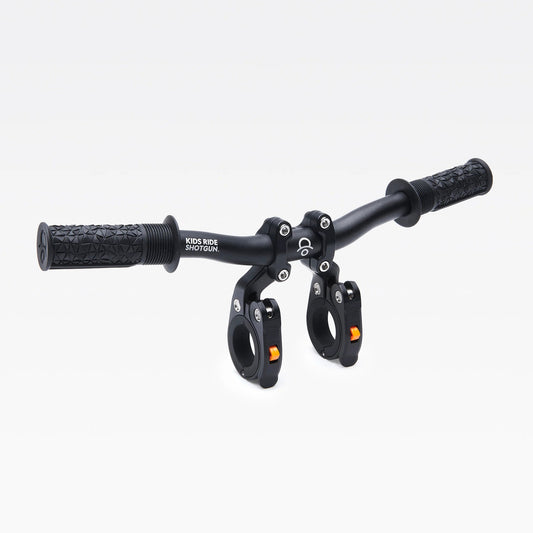
SHOTGUN PRO Handlebar
Regular price 59,99 €Regular priceUnit price perRecommended price* : 68,00 €
-


SHOTGUN 2.0 Handlebar
Regular price 36,99 €Regular priceUnit price perRecommended price* : 43,90 €
-

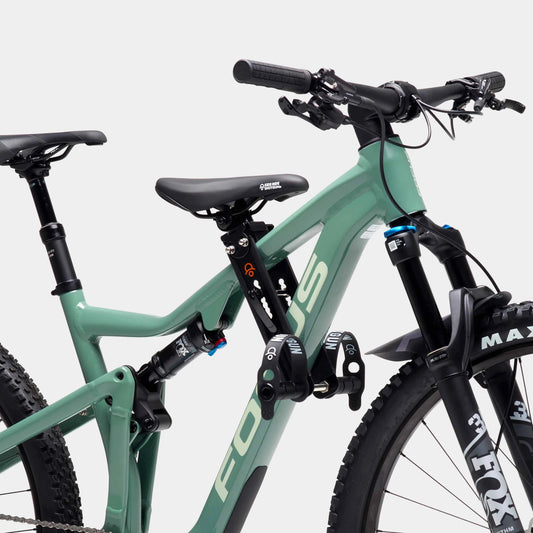
SHOTGUN Kids Saddle
Regular price 89,99 €Regular priceUnit price perRecommended price* : 99,90 €
-

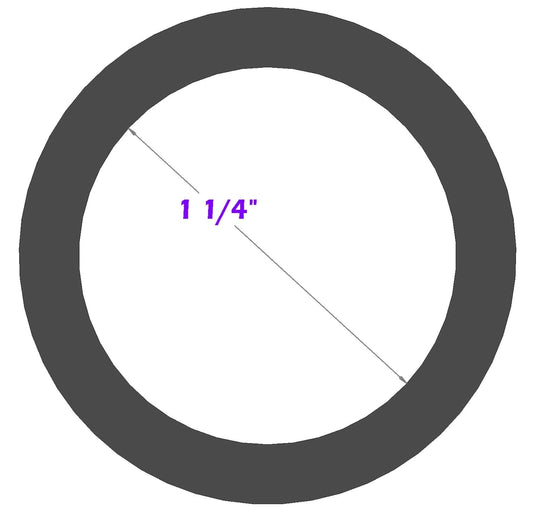
MAC RIDE Spacer for GIANT OVERDRIVE 2
Regular price 19,95 €Regular priceUnit price perRecommended price* : 19,95 €
-


MAC RIDE Strap for Stirrup
Regular price 29,90 €Regular priceUnit price perRecommended price* : 29,95 €
-

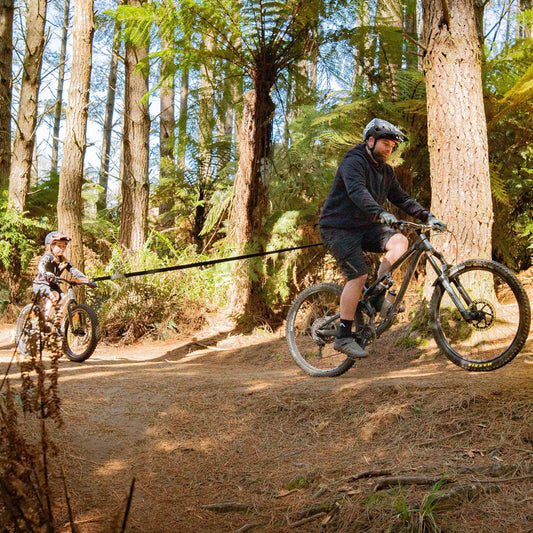
SHOTGUN Quick Fit Tow Rope
Regular price 54,99 €Regular priceUnit price perRecommended price* : 59,90 €
-


MAC RIDE Spacer for 1'' Stem
Regular price 19,95 €Regular priceUnit price perRecommended price* : 19,95 €
-


TRAX PRO Bike Towing System
Regular price 44,99 €Regular priceUnit price perRecommended price* : 49,95 €
-


SHOTGUN POGIES Mitts
Regular price 44,99 €Regular priceUnit price perRecommended price* : 49,90 €
-

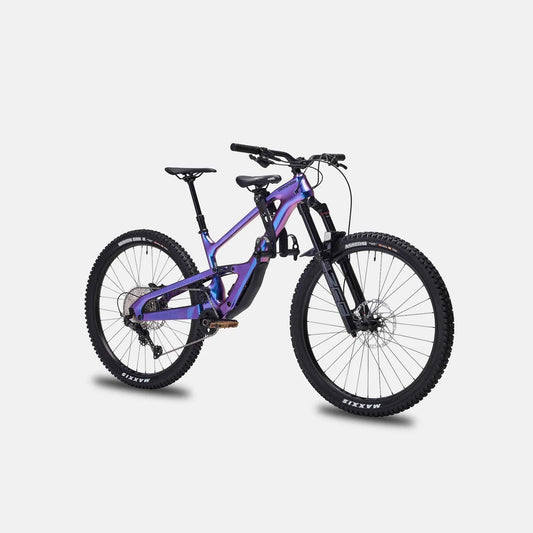
SHOTGUN 2.0 Child Seat
Regular price 149,90 €Regular priceUnit price perRecommended price* : 165,00 €
-


MAC RIDE Rubber Pads for Saddle Clamp
Regular price 2,95 €Regular priceUnit price perRecommended price* : 2,95 €
-

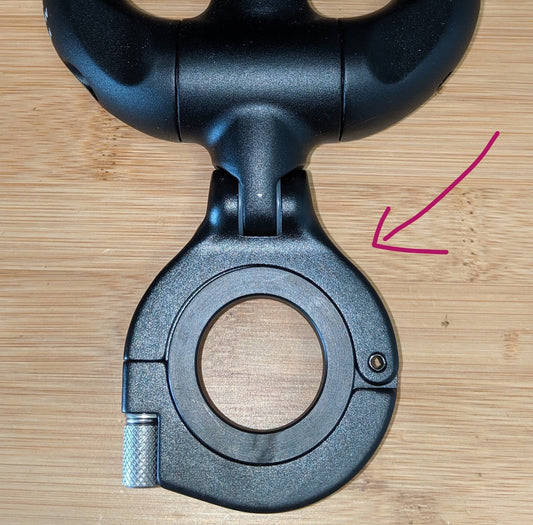
MAC RIDE Complete Front Clamp 1"1/8 for Baby Carrier Seat
Regular price 24,99 €Regular priceUnit price perRecommended price* : 26,95 €
-

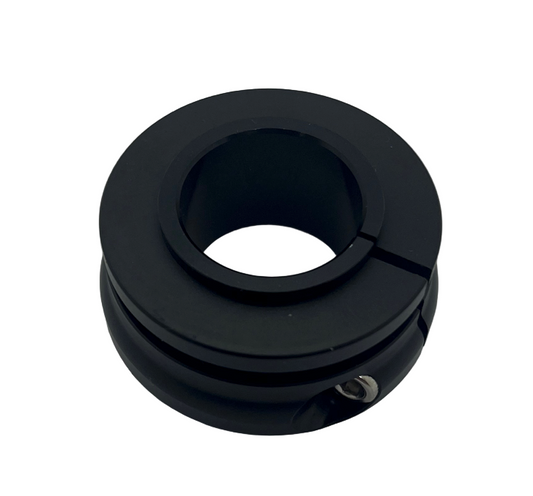
MAC RIDE Spacer for 1" and 7/8" Stem
Regular price 19,95 €Regular priceUnit price perRecommended price* : 19,95 €
-

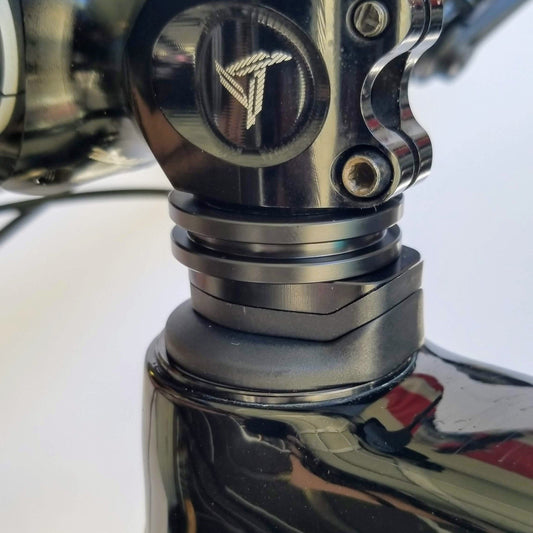
MAC RIDE Spacer for SYNCHROS
Regular price 9,95 €Regular priceUnit price perRecommended price* : 9,95 €