


-

ROCKSHOX High Pressure Suspension Pump (300 PSI Max)
Regular price 27,99 €Regular priceUnit price perRecommended price* : 42,00 €
-

ROCKSHOX High Pressure Suspension Pump (600 PSI Max)
Regular price 40,99 €Regular priceUnit price perRecommended price* : 57,00 €
-

ROCKSHOX MULTIFUNCTION High-Pressure Suspension Pump
Regular price 41,99 €Regular priceUnit price perRecommended price* : 60,00 €
-

ROCKSHOX DIGITAL High Pressure Suspension Pump
Regular price 65,99 €Regular priceUnit price perRecommended price* : 93,00 €
-


VAR FH-80800 High-Pressure Suspension Pump
Regular price 39,99 €Regular priceUnit price perRecommended price* : 43,99 €
-

FOX Digital High-Pressure Pump
Regular price 99,90 €Regular priceUnit price perRecommended price* : 110,00 €
-

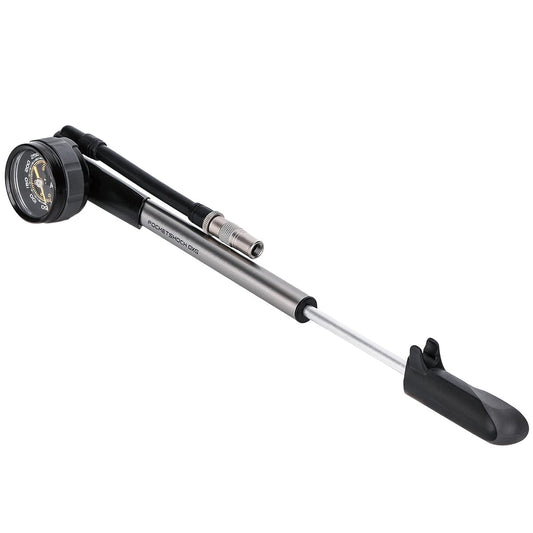
TOPEAK POCKET SHOCK DXG High-Pressure Suspension Pump
Regular price 47,99 €Regular priceUnit price perRecommended price* : 49,99 €
-


SKS GERMANY SAM High-Pressure Suspension Pump
Regular price 33,99 €Regular priceUnit price perRecommended price* : 44,99 €
-

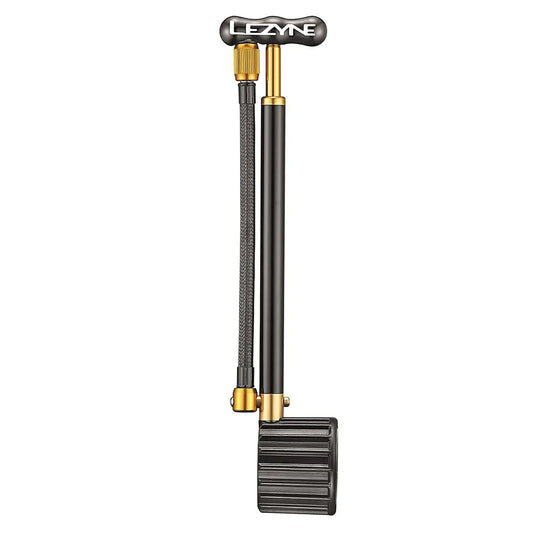
LEZYNE SHOCK DRIVE High Pressure Suspension Pump Black
Regular price 62,99 €Regular priceUnit price perRecommended price* : 69,95 €
-

FOX High Pressure Pump Long Nozzle
Regular price 64,90 €Regular priceUnit price perRecommended price* : 76,00 €
-

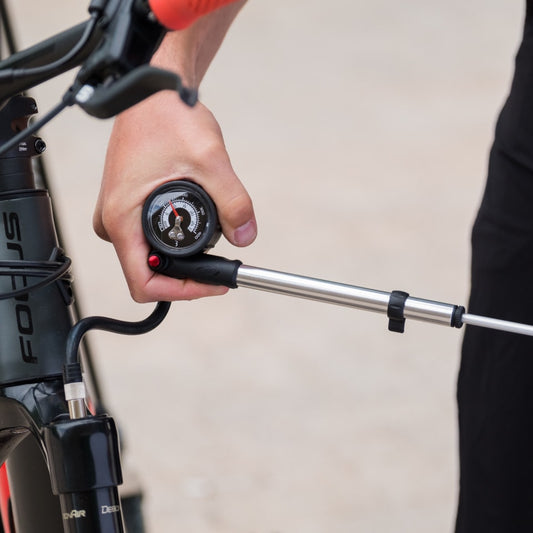
BBB AIRSHOCK BMP-29 High Pressure Suspension Pump
Regular price 39,99 €Regular priceUnit price perRecommended price* : 44,95 €
-

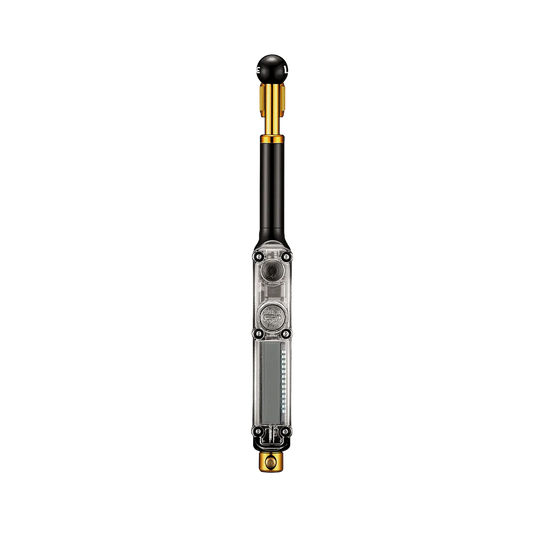
LEZYNE DIGITAL SHOCK DRIVE Black/Gold High Pressure Suspension Pump
Regular price 79,99 €Regular priceUnit price perRecommended price* : 99,95 €
-


TOPEAK PRESSURE-RITE Suspension Adapter
Regular price 16,99 €Regular priceUnit price perRecommended price* : 19,99 €
-

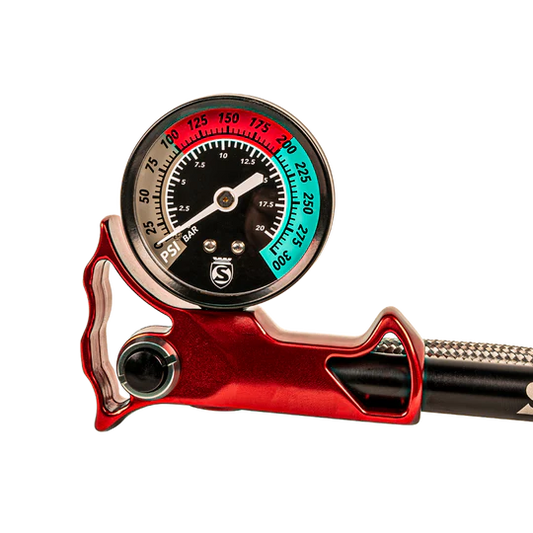
SILCA ULTIMATE SHOCK Suspension Pump
Regular price 139,90 €Regular priceUnit price perRecommended price* : 149,00 €


