Bike bells

11 products

A legal requirement, not a gimmick

French road law requires every bike to have an audible warning device that can be heard from 50 metres away. It’s one of the few mandatory items alongside lights and reflectors, and in practice it also helps avoid startling a pedestrian on a shared-use path.

Mechanical or electronic

  • The mechanical bell remains the standard: no battery, no maintenance, and a clear sound that carries. Brass brass rings longer and with a fuller sound than steel, which explains the price difference.
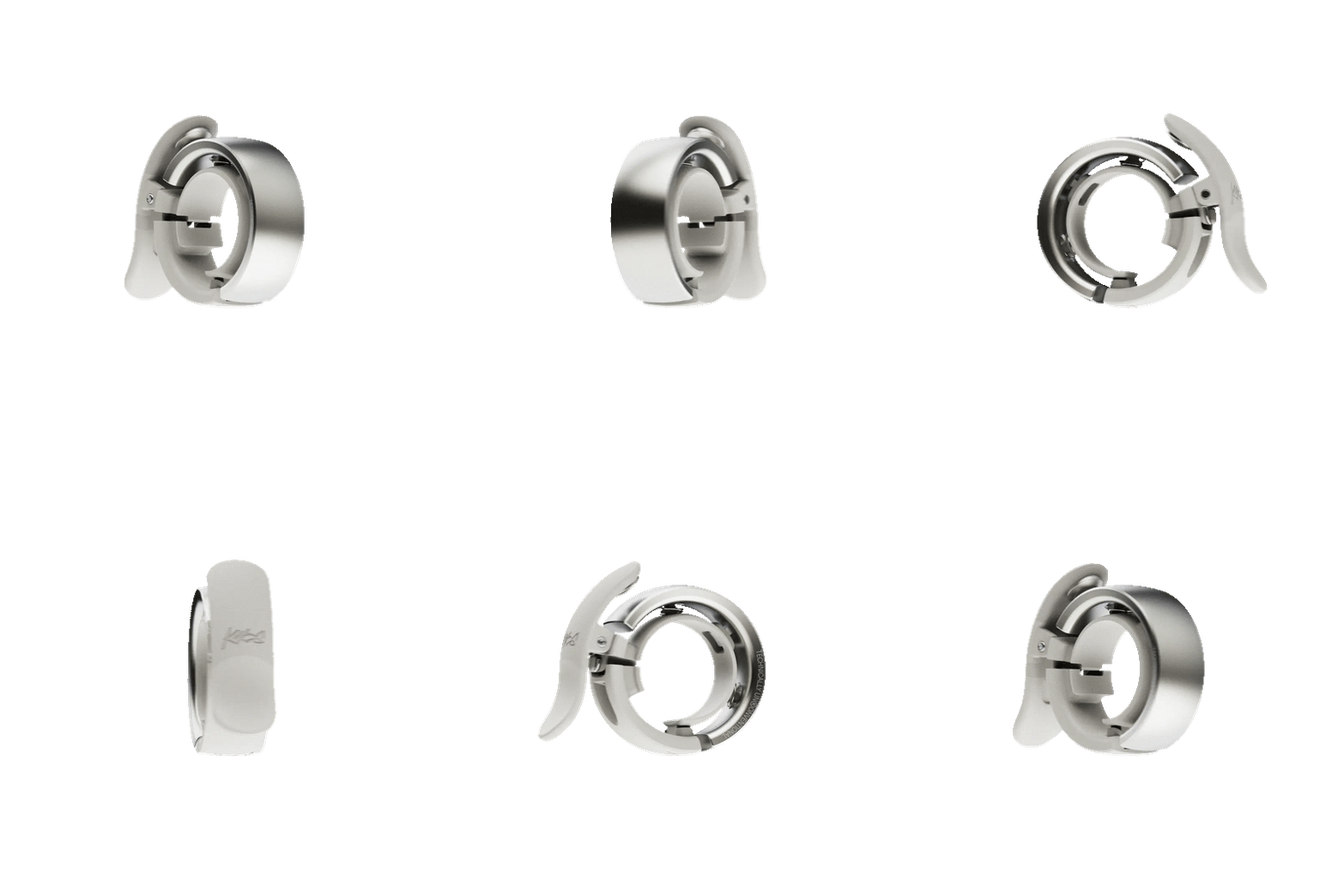
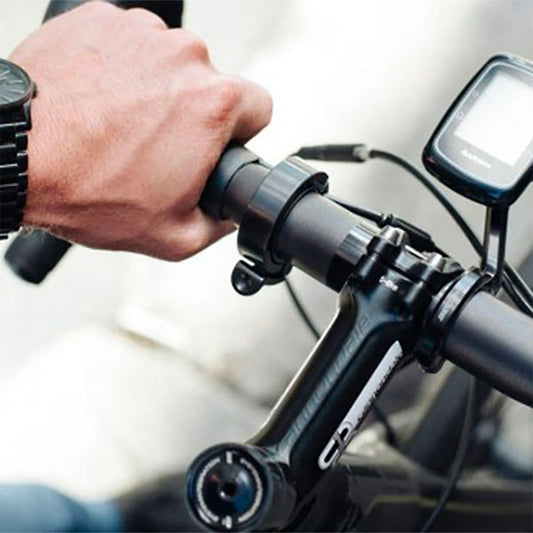
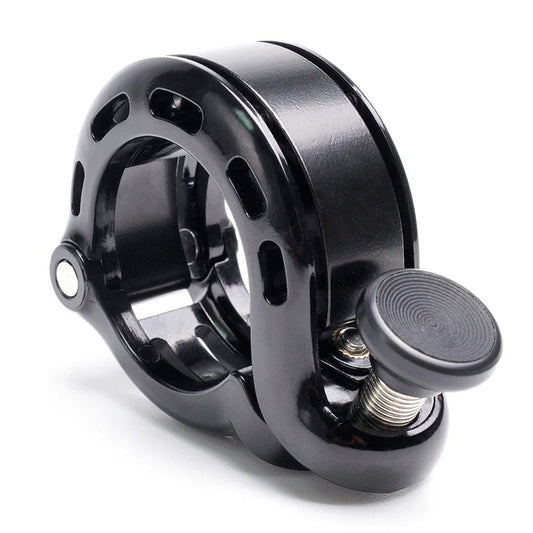
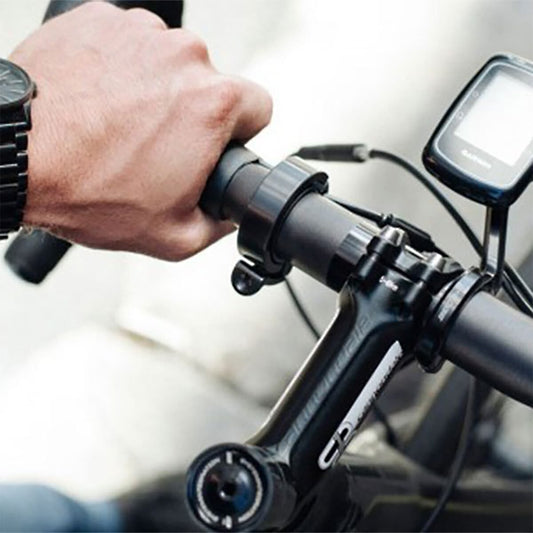
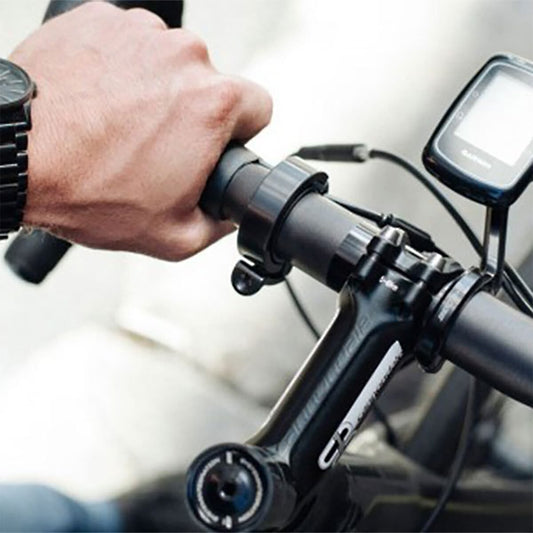
  • The low-profile models, which follow the shape of the handlebar and keep the lever within thumb’s reach, have become popular because they don’t crowd an already busy cockpit.
  • Theelectronic horn reaches 110 dB, far louder than a conventional bell. It’s an option for heavy traffic, where a bell can get lost in the noise — though you’ll need to remember to recharge it.

Space on the handlebar

It’s the only real compatibility criterion. Check the clamp diameter where you plan to fit it — 22.2 mm on the straight section of a flat bar, 31.8 mm near the stem, and non-round sections on aero bars and integrated cockpits. With a cycle computer, a light and perhaps a phone mount, every centimetre counts: that’s where low-profile designs come into their own.

And on a road bike

On a road handlebar, the bell usually mounts on the horizontal section near the stem. Compact models fit there without getting in the way of your hands or the bar tape. It’s a small detail, but it covers both a roadside check and a Sunday ride along the towpath.

See also: Bike mirrors · Bike lights · Bike locks