


-


ZEFAL RAIDER R70 Pannier Rack
Regular price 69,99 €Regular priceUnit price perRecommended price* : 89,95 €
-

TOPEAK UNI SUPER TOURIST DX DISC Rack
Regular price 62,99 €Regular priceUnit price perRecommended price* : 64,99 €
-


TOPEAK TETRARACK M2 HD MTB Rack Black
Regular price 114,90 €Regular priceUnit price perRecommended price* : 129,99 €
-

TOPEAK TETRARACK R2-REAR Road Rack Black
Regular price 89,99 €Regular priceUnit price perRecommended price* : 109,99 €
-


SKS GERMANY INFINITY MIK Universal Rack
Regular price 98,99 €Regular priceUnit price perRecommended price* : 109,99 €
-


ORTLIEB QUICK RACK XL Bike Rack Black
Regular price 109,90 €Regular priceUnit price per -

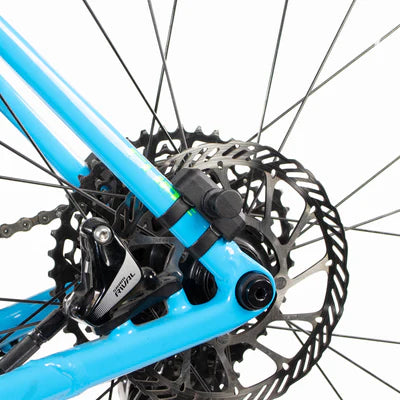
ORTLIEB QUICK RACK Stay Adapter for Pannier Rack
Regular price 15,99 €Regular priceUnit price per -

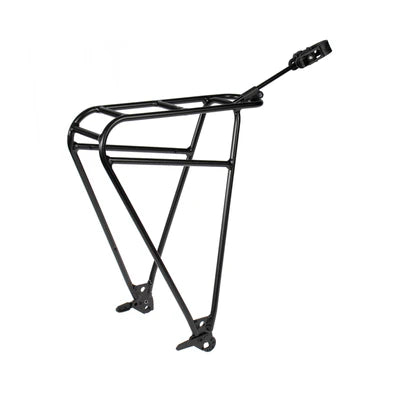
ORTLIEB QUICK RACK L Bike Rack Black
Regular price 99,99 €Regular priceUnit price per -


ORTLIEB QUICK RACK LIGHT Pannier Rack Black
Regular price 84,99 €Regular priceUnit price per -


ORTLIEB QUICK RACK M6 Thru-Axle for Bike Rack
Regular price 34,99 €Regular priceUnit price per -
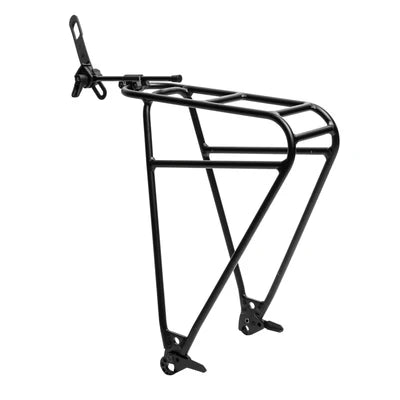

ORTLIEB QUICK RACK Bike Rack Black
Regular price 89,99 €Regular priceUnit price per -

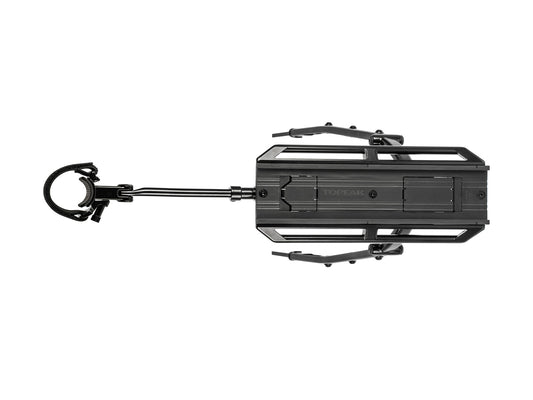
TOPEAK ZIRAK EYELET MOUNT Rack
Regular price 99,99 €Regular priceUnit price perRecommended price* : 99,99 €
-

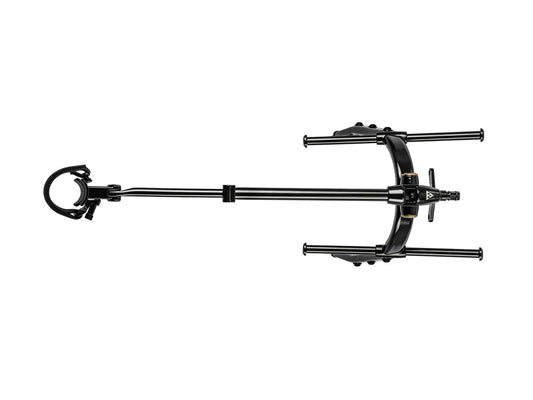
TOPEAK ZIRAK ESSENTIAL STRAP MOUNT Rack
Regular price 109,99 €Regular priceUnit price perRecommended price* : 109,99 €
-


TOPEAK ZIRAK ESSENTIAL EYELET MOUNT Rack
Regular price 89,99 €Regular priceUnit price perRecommended price* : 89,99 €
-

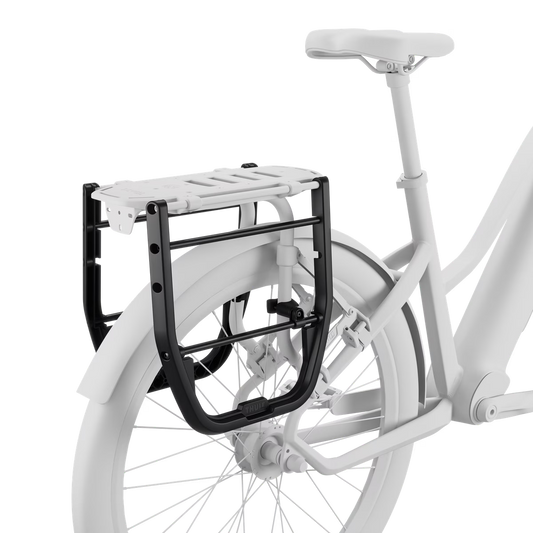
THULE SIDE FRAME Pannier Support for PACK'N PEDAL TOUR RACK
Regular price 34,99 €Regular priceUnit price perRecommended price* : 39,95 €
-


THULE INLOCK Pannier Bag Support for TOUR RACK Inlock
Regular price 24,99 €Regular priceUnit price perRecommended price* : 29,95 €
-

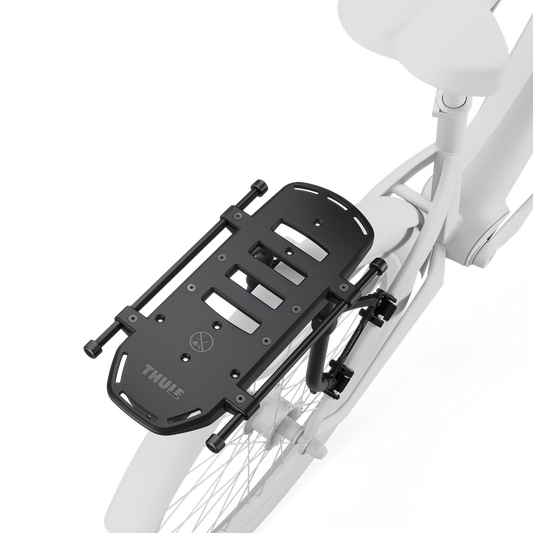
THULE TOUR RACK Pannier Rack
Regular price 99,99 €Regular priceUnit price perRecommended price* : 129,95 €
-


THULE INLOCK Adapter Support
Regular price 34,99 €Regular priceUnit price perRecommended price* : 39,95 €
-

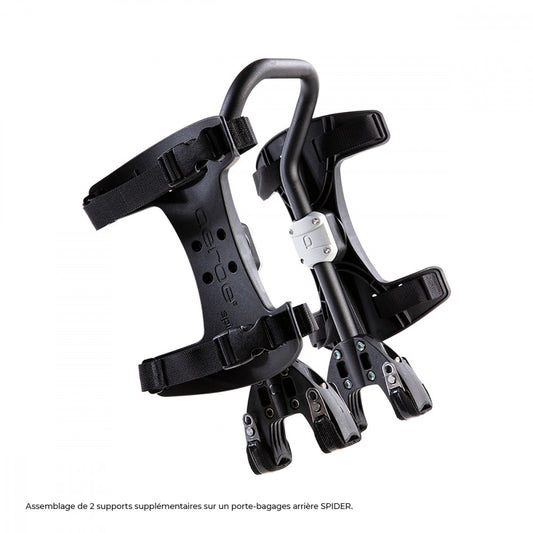
AEROE SPIDER RACK CRADDLE Mount
Regular price 69,99 €Regular priceUnit price perRecommended price* : 69,00 €
-


AEROE SPIDER Front Rack (without mount)
Regular price 114,90 €Regular priceUnit price perRecommended price* : 115,00 €
-

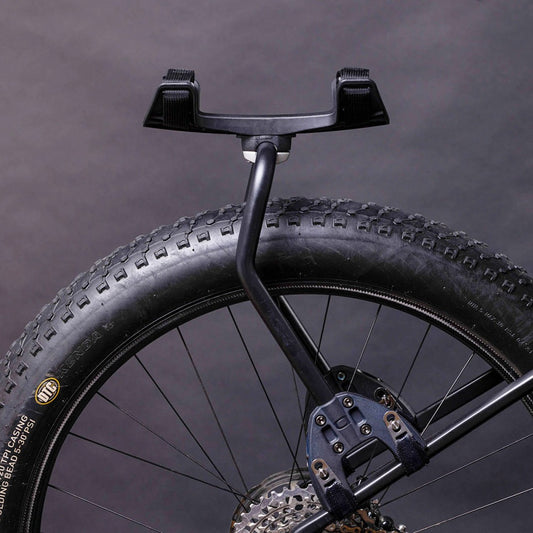
AEROE SPIDER CARGO Fat Bike Rear Rack
Regular price 134,90 €Regular priceUnit price perRecommended price* : 135,00 €
-

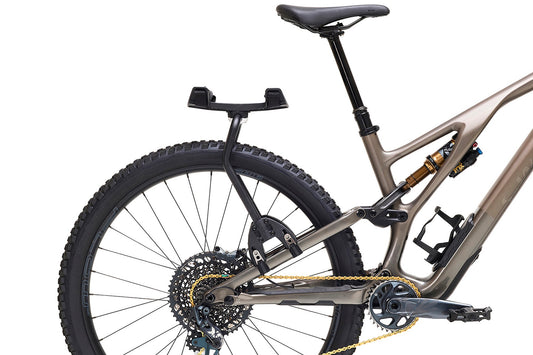
AEROE SPIDER Rear Rack
Regular price 134,90 €Regular priceUnit price perRecommended price* : 135,00 €
-

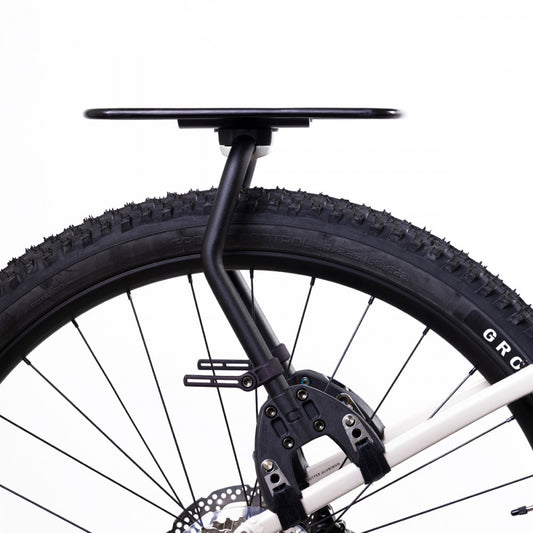
AEROE SPIDER Universal Pannier Mount
Regular price 79,99 €Regular priceUnit price perRecommended price* : 80,00 €
-

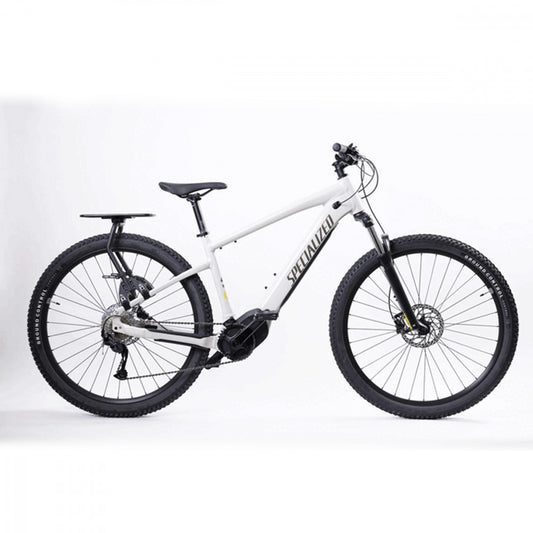
AEROE SPIDER Rear Rack with Universal Pannier Support
Regular price 154,90 €Regular priceUnit price perRecommended price* : 155,00 €
-

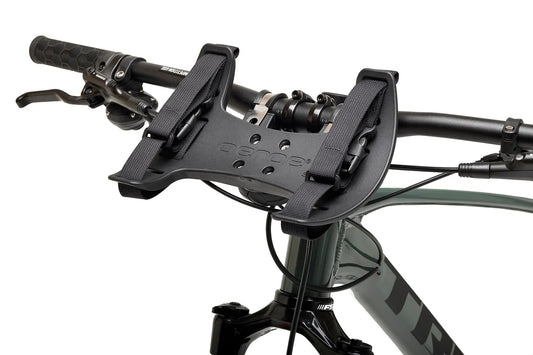
AEROE SPIDER CRADLE Handlebar Bag Mount
Regular price 69,99 €Regular priceUnit price perRecommended price* : 69,00 €
-


RESTRAP SWITCH Thru-Axle for Rack
Regular price 34,99 €Regular priceUnit price perRecommended price* : 35,99 €
-


RESTRAP SWITCH UDH Adapter
Regular price 23,99 €Regular priceUnit price perRecommended price* : 23,99 €
-


RESTRAP SWITCH Cage Mounting Rack
Regular price 49,99 €Regular priceUnit price perRecommended price* : 53,99 €
-

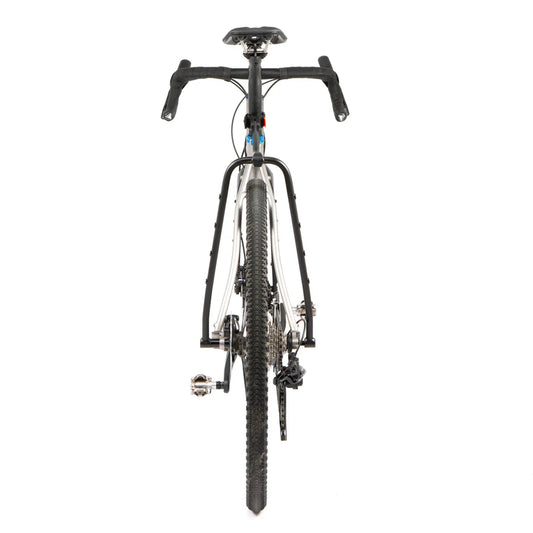
RESTRAP SWITCH RACK Rack
Regular price 139,90 €Regular priceUnit price perRecommended price* : 149,99 €
-


RESTRAP SWITCH RACK DIRECT MOUNT Rear Rack
Regular price 129,99 €Regular priceUnit price perRecommended price* : 129,99 €


