-

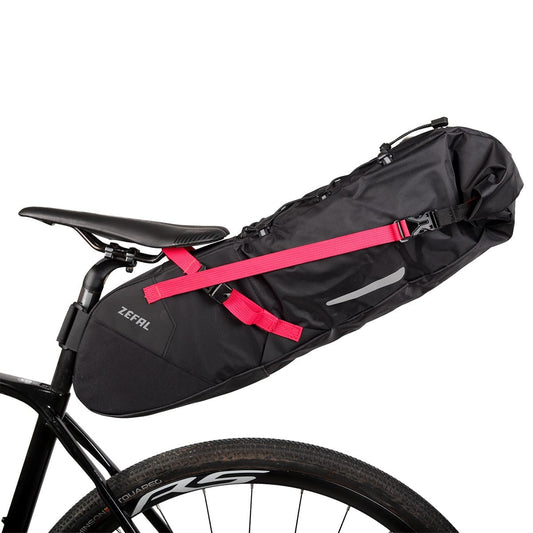
ZEFAL Z ADVENTURE R17 8 L - 17 L Black Saddle Bag
Regular price 59,99 €Regular priceUnit price perRecommended price* : 79,95 €
-


TOPEAK BACKLOADER 6 L Saddle Bag Black
Regular price 54,99 €Regular priceUnit price perRecommended price* : 59,99 €
-

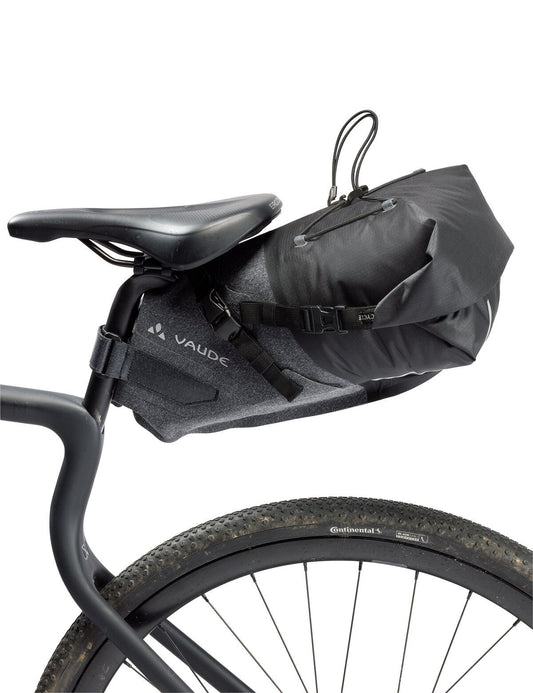
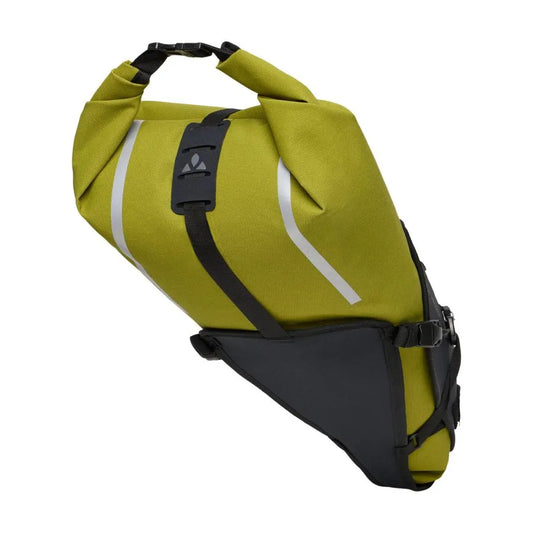
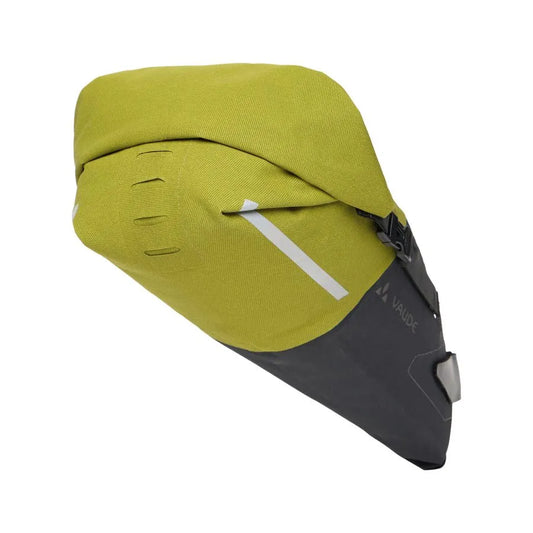
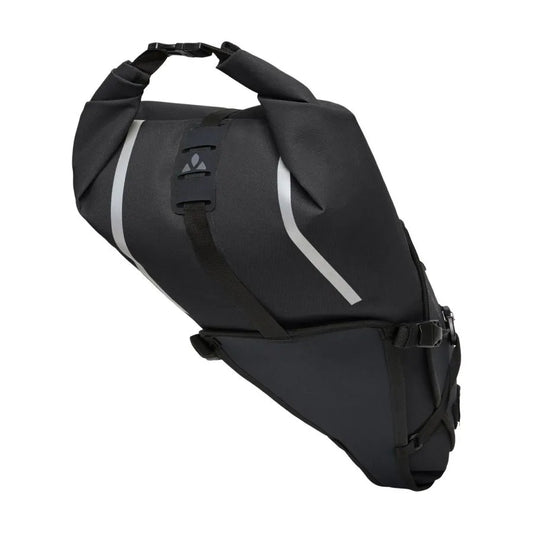
VAUDE TRAILSADDLE COMPACT 7 L Black Saddle Bag
Regular price 74,99 €Regular priceUnit price perRecommended price* : 80,00 €
-

TOPEAK BACKLOADER 15L Black Saddle Bag
Regular price 69,99 €Regular priceUnit price perRecommended price* : 79,99 €
-

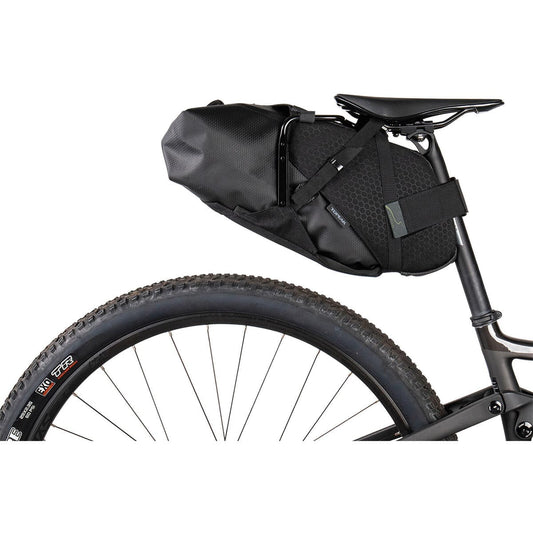
TOPEAK BACKLOADER X 10 L Saddle Bag Black
Regular price 59,99 €Regular priceUnit price perRecommended price* : 79,99 €
-


TOPEAK BACKLOADER WISHBONE Saddle Bag Stabiliser Black
Regular price 29,99 €Regular priceUnit price perRecommended price* : 34,99 €
-

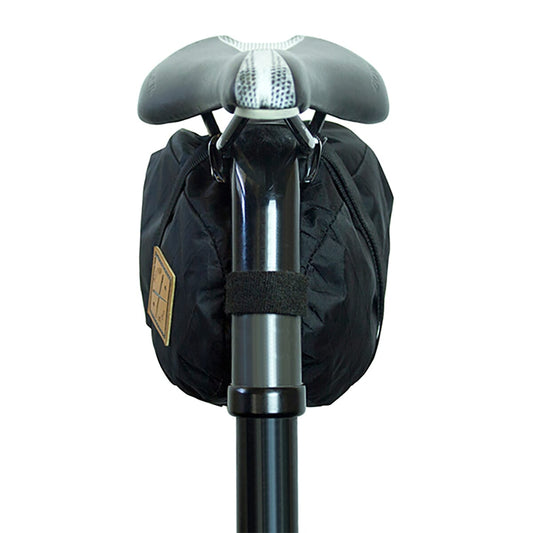
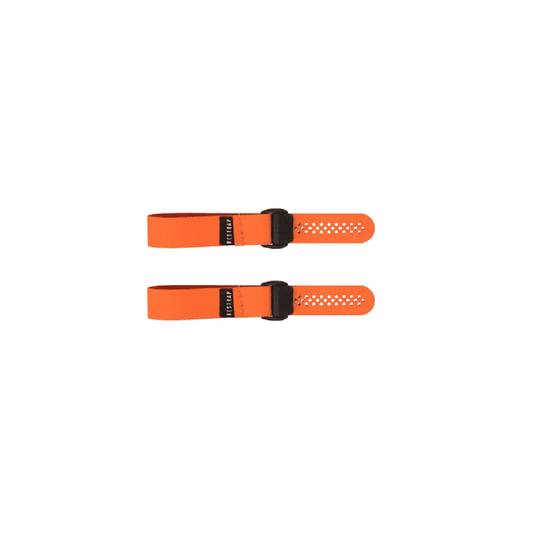
RESTRAP SADDLE BAG 4L Saddle Bag
Regular price 64,99 €Regular priceUnit price perRecommended price* : 71,99 €
-


RESTRAP RACE SADDLE BAG 7 L Black Saddle Bag
Regular price 139,90 €Regular priceUnit price perRecommended price* : 144,99 €
-


TOPEAK BACKLOADER 10 L Saddle Bag
Regular price 64,99 €Regular priceUnit price perRecommended price* : 69,99 €
-


EVOC WP 2 L Saddle Bag Green
Regular price 39,99 €Regular priceUnit price perRecommended price* : 50,00 €
-
TOPEAK BACKLOADER X 15 L Black Saddle Bag
Regular price 74,99 €Regular priceUnit price perRecommended price* : 79,99 €
-

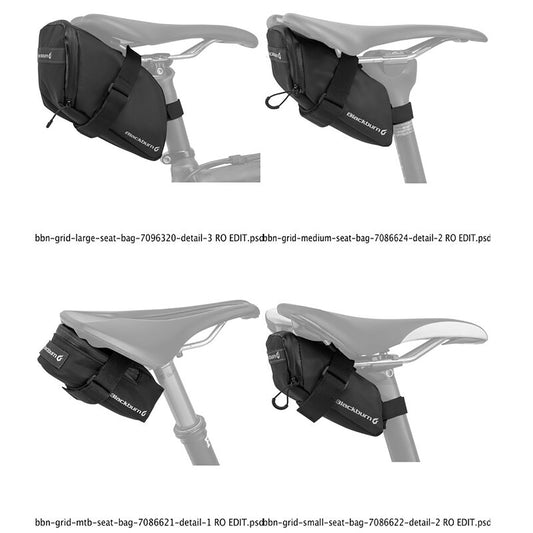
BLACKBURN GRID 0.8 L Black Saddle Bag
Regular price 19,99 €Regular priceUnit price perRecommended price* : 39,95 €
-

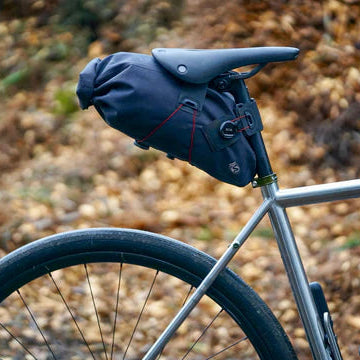
SILCA GRINTA ROLL TOP Saddle Bag
Regular price 169,99 €Regular priceUnit price perRecommended price* : 180,00 €
-

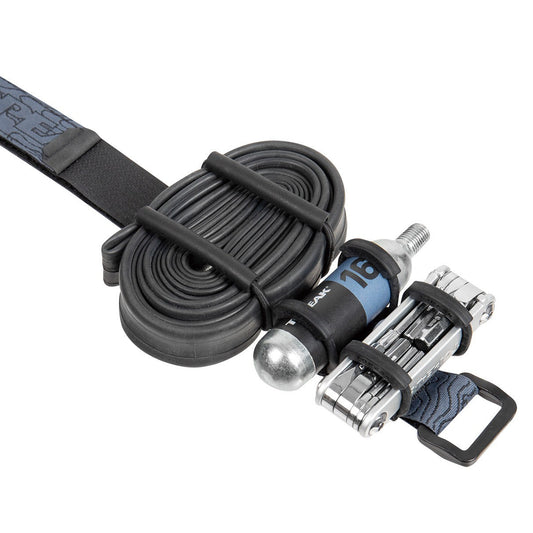
TOPEAK ELEMENTA STRAP S Universal Strap Blue
Regular price 12,99 €Regular priceUnit price perRecommended price* : 14,99 €
-


TOPEAK ELEMENTA STRAP M Universal Strap Brown
Regular price 15,99 €Regular priceUnit price perRecommended price* : 17,99 €
-

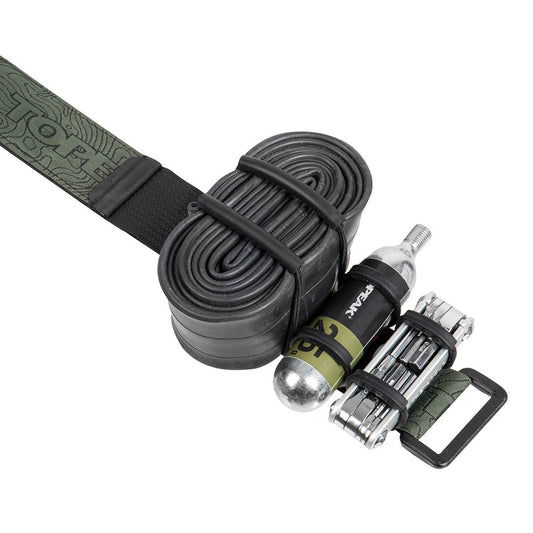
TOPEAK ELEMENTA STRAP L Universal Strap Green
Regular price 17,99 €Regular priceUnit price perRecommended price* : 19,99 €
-

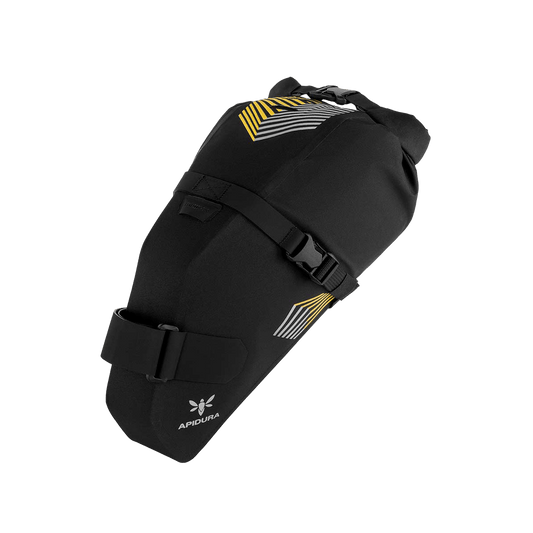
APIDURA RACING SADDLE PACK 5 L Saddle Bag Black
Regular price 156,99 €Regular priceUnit price perRecommended price* : 157,00 €
-

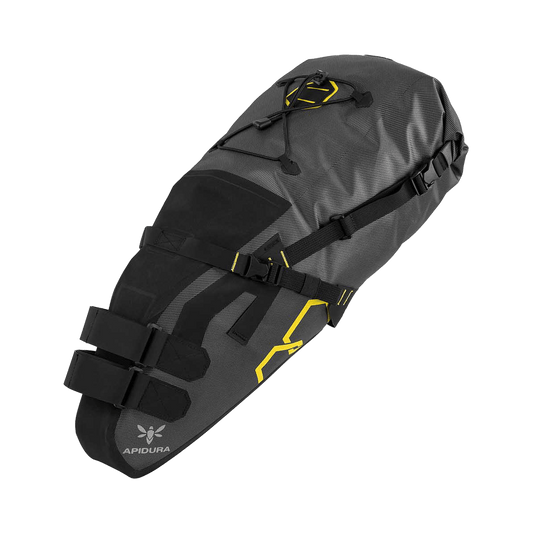
APIDURA EXPEDITION SADDLE PACK 17 L Saddle Bag Black
Regular price 168,99 €Regular priceUnit price perRecommended price* : 169,00 €
-

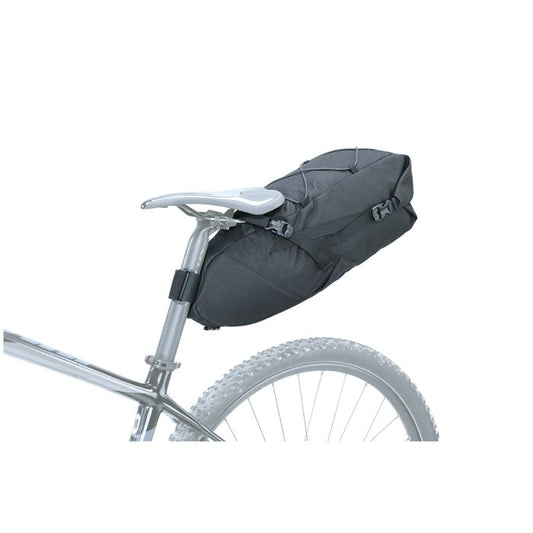
TOPEAK BACKLOADER 10 L Saddle Bag Black
Regular price 69,99 €Regular priceUnit price perRecommended price* : 69,99 €
-


POC ULTRA SADDLE BAG 7L Translucent White Saddle Bag
Regular price 164,90 €Regular priceUnit price perRecommended price* : 179,95 €
-


BROOKS SCAPE ROLL 1L Saddle Bag Black
Regular price 39,99 €Regular priceUnit price perRecommended price* : 50,00 €
-


USWE ROLLTOP SADDLE BAG 9 L Saddle Bag
Regular price 79,99 €Regular priceUnit price perRecommended price* : 149,00 €